Part IV highlights:
1. Church of St. Ildefonso
2. The Majestic Cafe and the Bolhao Market
3. The (vegetarian version of the) Francesinha
4. Capturing the night lights from atop the Dom Luis I bridge
5. The National Museum of Antonio Soares dos Reis
6. A bus ride to the beach (Praia dos Carneiros) and lighthouse
Well, this concludes this portion of my travel updates from Europe. When I'm settled in, I hope to do a reflection piece on what the Camino meant to me and my transition back into society. Until next time, adios, much love to you all and God bless!
Postscript, July 14, 2026:
Postscript, July 14, 2026:
Twelve years later, I kept that promise. The reflection I meant to write became a video — and if you'd like to know what the Camino truly did to me, and why it led me to Cambodia less than a year later, you can watch it here: The Camino Reflection I Promised You — Twelve Years Late


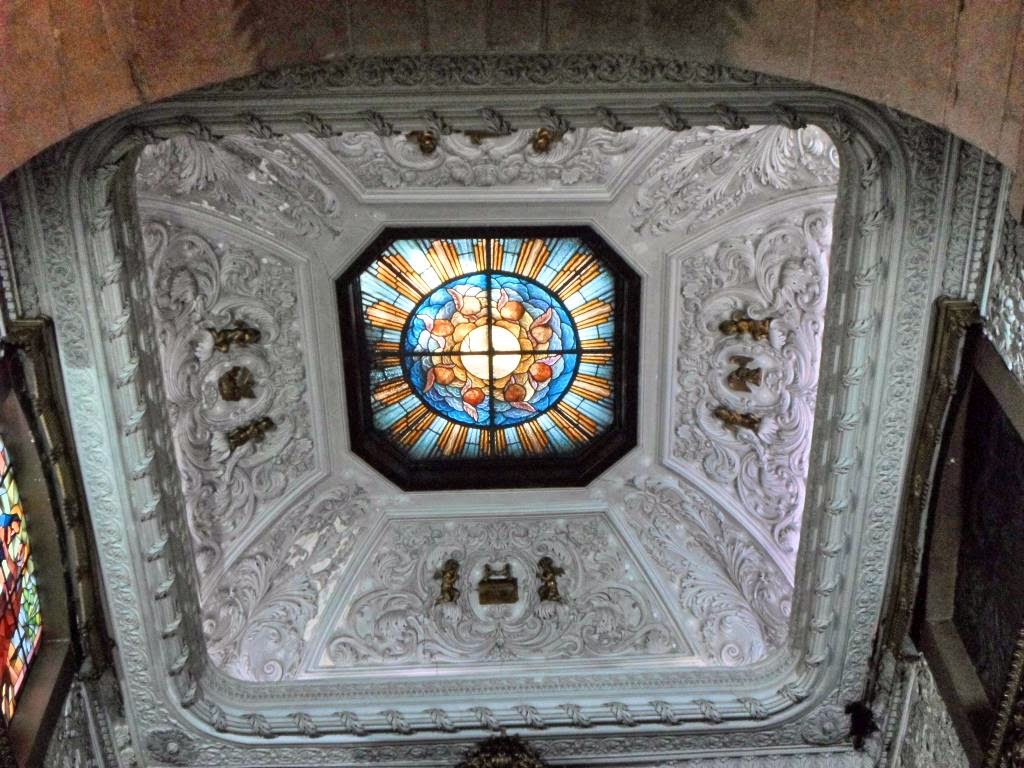
Above: 18th-C Church of St. Ildefonso


Above: Inside the Church of St. Ildefonso



Above right: The Majestic Cafe


Above left: Inside the Majestic Cafe; Above right: The shopping street of Rua Santa Catarina


Above right: The Bolhao Market (Mercado do Bolhao)


Above left: Teatro Sa da Bandeira; Above right: A vegetarian version of Porto's famous dish, the Francesinha (7.50 euros, with a cup of sangria)


Above left: A silhouette of the Se Cathedral; Above right: A silhouette of the Clerigos Tower (Torre dos Clerigos)


Above: A cold and windy evening walk on the upper level of Dom Luis I bridge


Above right: The 11 am Sunday Mass at the circular St. Augustine church of the Monastery of Serra do Pilar (Mosteiro da Serra do Pilar) in Gaia


Above: The National Museum of Antonio Soares dos Reis (Museu Nacional de Soares dos Reis) (Entrance fee: 5 euros per adult; 2.50 euros per student)


Above left: Um Traje de Capri (A Black Capri) by Silva Porto (1877); Above right: Colheita - Ceifeiras (Harvest - Reapers) by Silva Porto (1893)


Above left: Ilha dos Amores (Island of Love) by Jose Malhoa (1908); Above right: The medicine by Jose Malhoa


Above left: Cabeca de rapariga (Head of a girl) by Marques de Oliveira (1891); Above right: Cephalus and Procris by Marques de Oliveira (1879)


Above left: Interior (Costureiras trabalhando) (Interior (seamstresses working)) by Marques de Oliveira (1884); Above right: Viscondessa de Vinho e Almedina (The Viscountess of Vinho e Almedina) by Antonio Soares dos Reis (1882)


Above: O Desterrado (The Exile) by Antonio Soares dos Reis (1872) ~ sculpted in carrara marble


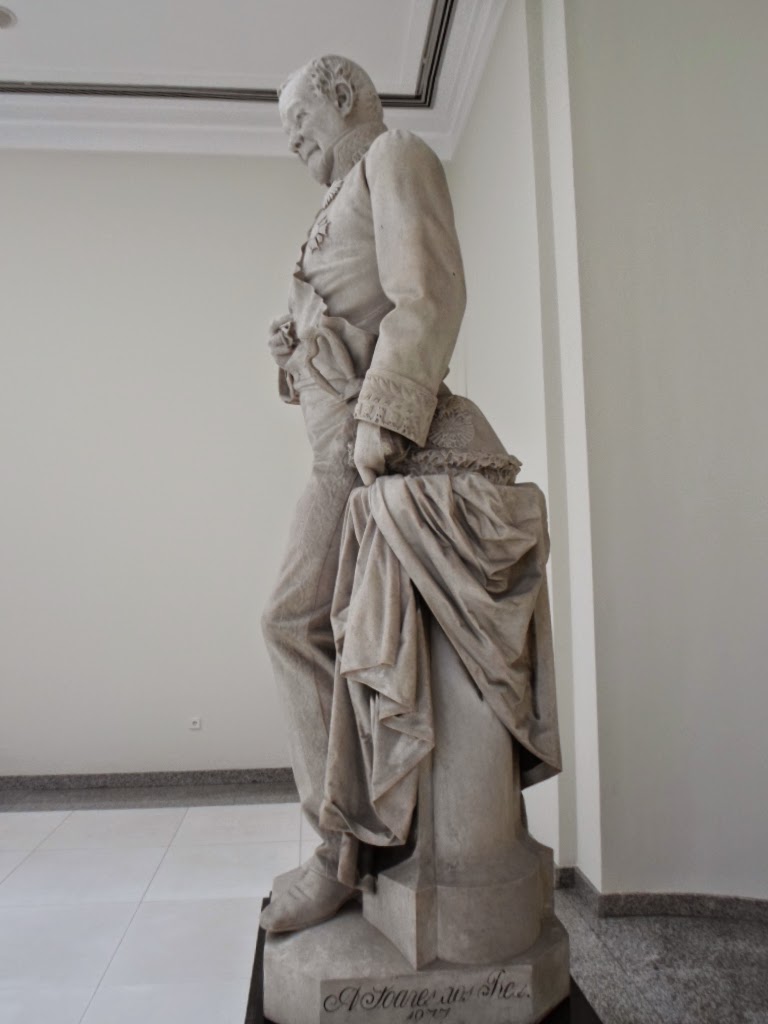
Above: The Count of Ferreira by Antonio Soares dos Reis (1876)


Above right: Narciso (Narcissus) by Antonio Soares dos Reis (1881)


Above: Flor Agreste (Flower Wasteland) by Antonio Soares dos Reis (1881)


Above right: Henrique Pousao (self-portrait, 1878)


Above left: Cecilia by Henrique Pousao (1882); Above right: Esperando o sucesso (Waiting for success) by Henrique Pousao (1882)


Above left: Cansada (Feeling tired) by Henrique Pousao (1882); Above right: Rapariga deitada no tronco de uma arvore (Girl resting on a tree) by Henrique Pousao (1883)


Above left: Macieira partida (Broken apple tree) by Sousa Pinto (1883); Above right: Cabeca de velho - Portuzelo (Head of an old man - Portuzelo) by Sousa Pinto (1890)


Above: Jose Tagarro (self-portrait, 1929)


Above: Baiser (Caress, Kiss) by Ernesto Canto da Maya (1934)


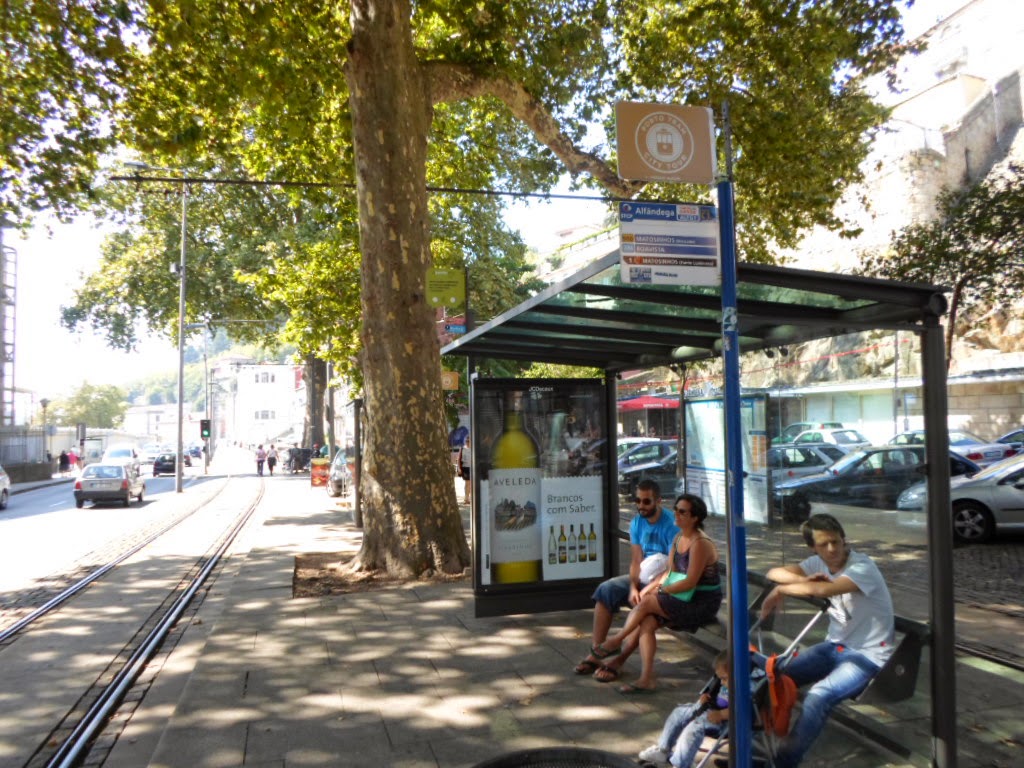
Above right: Waiting for bus #500 to go to the beach (Praia dos Carneiros) and lighthouse


Above: Ponte da Arrabida, one of six bridges across the river Douro


Above left: Riding a double-decker bus #500; Above right: Praia dos Carneiros (foggy day)


Above left: These yellow (Camino) arrows were everywhere! :)


